ภาควิชาวิศวกรรมเหมืองแร่และปิโตรเลียม มช. เดินหน้าโครงการวิจัยร่วม กฟผ. และสำนักงานทรัพยากรธรณี เขต 1 ศึกษาการเปลี่ยนเป็นแร่ของคาร์บอนไดออกไซด์กับหินบะซอลต์ในพื้นที่แม่เมาะ จ.ลำปาง
ภาควิชาวิศวกรรมเหมืองแร่และปิโตรเลียม คณะวิศวกรรมศาสตร์ มหาวิทยาลัยเชียงใหม่ ดำเนินโครงการวิจัย “การเปลี่ยนเป็นแร่ของคาร์บอนไดออกไซด์กับหินบะซอลต์ใกล้เหมืองแม่เมาะ” ซึ่งได้รับทุนสนับสนุนจากการไฟฟ้าฝ่ายผลิตแห่งประเทศไทย (กฟผ.) และดำเนินงานร่วมกับสำนักงานทรัพยากรธรณี เขต 1 กรมทรัพยากรธรณี เพื่อศึกษาศักยภาพการกักเก็บคาร์บอนไดออกไซด์ในรูปแบบการเกิดแร่คาร์บอเนต (mineral carbonation) ในหินบะซอลต์พื้นที่จังหวัดลำปาง อันเป็นแนวทางการกักเก็บคาร์บอนที่มีความมั่นคงและเสถียรภาพในระยะยาว
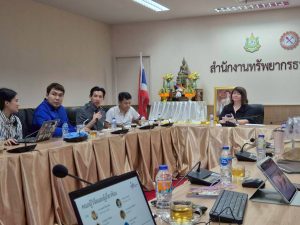
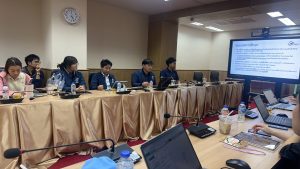
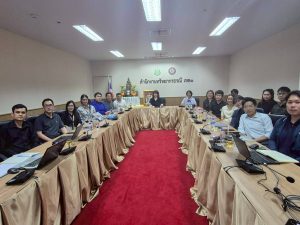
เมื่อวันที่ 29 มกราคม 2569 คณะนักวิจัยจากภาควิชาฯ ได้เข้าประชุมหารือร่วมกับผู้แทนสำนักงานทรัพยากรธรณี เขต 1 และ กฟผ. ณ จังหวัดลำปาง เพื่อกำหนดกรอบความร่วมมือและวางแผนการดำเนินงานภาคสนาม โดยได้ร่วมกันกำหนดแนวทางการเลือกตำแหน่งเก็บตัวอย่างหินบะซอลต์ การสำรวจภาคสนาม และการบูรณาการข้อมูลธรณีวิทยาเชิงพื้นที่ เพื่อให้การวิจัยเป็นไปอย่างเป็นระบบและสอดคล้องกับบริบททางธรณีวิทยาของพื้นที่ศึกษา
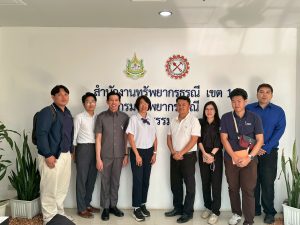
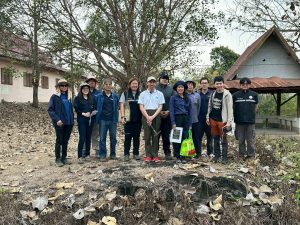
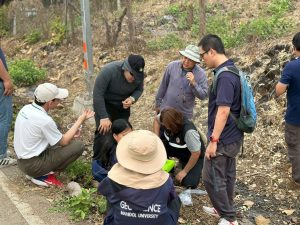
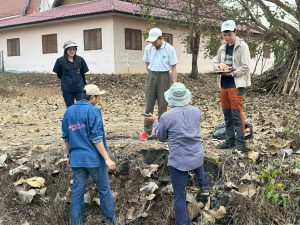
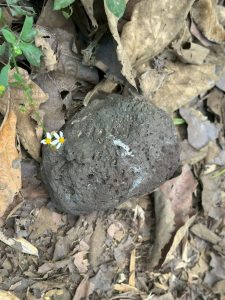
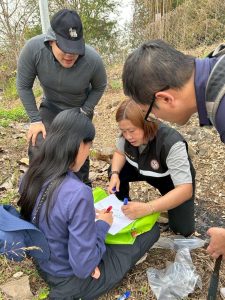
ต่อมาเมื่อวันที่ 18 กุมภาพันธ์ 2569 คณะนักวิจัยจากทั้งสามหน่วยงานได้ดำเนินการเก็บตัวอย่างหินบะซอลต์เพิ่มเติม เพื่อนำไปวิเคราะห์สมบัติทางกายภาพและเคมี องค์ประกอบแร่ และศักยภาพการเกิดปฏิกิริยาแร่คาร์บอเนชันตามวัตถุประสงค์ของโครงการ พร้อมทั้งตรวจสอบขอบเขตพื้นที่ทรัพยากรหินบะซอลต์ที่เกี่ยวข้องกับการศึกษา
โครงการดังกล่าวมี รองศาสตราจารย์ ดร.สุพฤทธิ์ ตั้งพฤทธิ์กุล อาจารย์ประจำภาควิชาวิศวกรรมเหมืองแร่และปิโตรเลียม และหัวหน้าศูนย์วิจัยการดักจับและกักเก็บคาร์บอนไดออกไซด์เชียงใหม่ (Chiang Mai CCS) เป็นหัวหน้าโครงการ โดยมีคณะนักวิจัยจากมหาวิทยาลัยเชียงใหม่ร่วมดำเนินงานกับผู้แทนจาก กฟผ. และผู้เชี่ยวชาญด้านธรณีวิทยาของสำนักงานทรัพยากรธรณี เขต 1 ความร่วมมือครั้งนี้สะท้อนบทบาทของภาควิชาฯ ในการพัฒนาองค์ความรู้ด้านวิศวกรรมธรณีและการกักเก็บคาร์บอนเชิงธรณีวิทยา เพื่อรองรับการประยุกต์ใช้เทคโนโลยี CCUS ในภาคพลังงานและอุตสาหกรรมของประเทศในอนาคต
Department of Mining and Petroleum Engineering, CMU Advances Collaborative Research with EGAT and DMR on CO₂ Mineralization in Basalt near Mae Moh, Lampang
The Department of Mining and Petroleum Engineering, Faculty of Engineering, Chiang Mai University is conducting the research project entitled “CO₂ Mineralization in Basalt near Mae Moh Mine.” The project is supported by the Electricity Generating Authority of Thailand (EGAT) and carried out in collaboration with the Office of Mineral Resources Region 1, Department of Mineral Resources (DMR). The study aims to evaluate the potential for long-term carbon dioxide storage through mineral carbonation reactions in basalt formations in Lampang Province—an approach recognized for its stability and permanence in geological carbon storage.
On 29 January 2026, the research team from the department met with representatives from EGAT and the Office of Mineral Resources Region 1 in Lampang to formalize the research framework and plan field operations. Discussions focused on sampling strategies, selection of basalt outcrops, and integration of geological data to ensure that field investigations are conducted systematically and in accordance with the geological characteristics of the study area.
Subsequently, on 18 February 2026, researchers from all three organizations conducted additional basalt sampling. The collected samples will be analyzed to determine their physical and geochemical properties, mineral composition, and carbonation potential in line with the project objectives. Field activities also included verification of basalt resource boundaries relevant to the study.
The project is led by Associate Professor Dr. Suparit Tangparitkul, Lecturer at the Department of Mining and Petroleum Engineering and Director of the Chiang Mai Research Center for Carbon Capture and Storage (Chiang Mai CCS), with participation from researchers at Chiang Mai University, representatives from EGAT, and geological experts from the Office of Mineral Resources Region 1. This collaboration highlights the department’s academic role in advancing geological carbon storage research and supporting future CCUS applications in Thailand’s energy and industrial sectors.