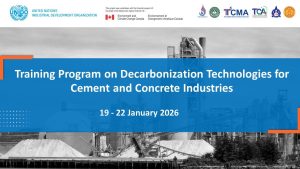
เมื่อวันที่ 21 มกราคม 2569 ภาควิชาวิศวกรรมเหมืองแร่และปิโตรเลียม คณะวิศวกรรมศาสตร์ มหาวิทยาลัยเชียงใหม่ ร่วมบรรยายในกิจกรรมอบรมหลักสูตร “เทคโนโลยีลดการปล่อยคาร์บอนสำหรับอุตสาหกรรมปูนซีเมนต์และคอนกรีต” ซึ่งพัฒนาโดย Thai-Nichi Institute of Technology ร่วมกับ Thammasat University และได้รับการสนับสนุนจาก United Nations Industrial Development Organization (UNIDO) ณ สถาบันเอเชียตะวันออกศึกษา มหาวิทยาลัยธรรมศาสตร์ ศูนย์รังสิต
การอบรมดังกล่าวมีเป้าหมายเพื่อเสริมสร้างความรู้เกี่ยวกับการเปลี่ยนแปลงสภาพภูมิอากาศ เป้าหมายการมีส่วนร่วมที่ประเทศกำหนด (NDC) ของประเทศไทย และ “Thailand Net Zero Cement & Concrete Roadmap 2050” เพื่อสนับสนุนการยกระดับขีดความสามารถของภาคอุตสาหกรรมปูนซีเมนต์และคอนกรีตในการลดการปล่อยก๊าซเรือนกระจกอย่างเป็นรูปธรรม
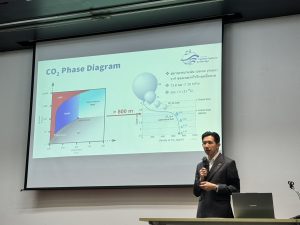
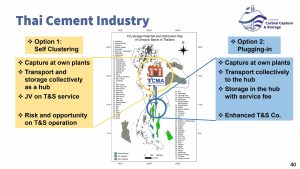
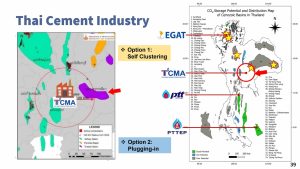
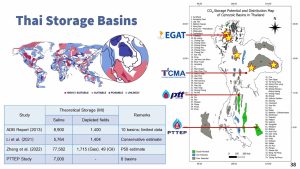
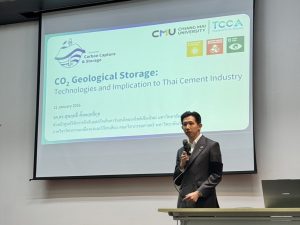
ในการนี้ รองศาสตราจารย์ ดร.สุพฤทธิ์ ตั้งพฤทธิ์กุล อาจารย์ประจำภาควิชาวิศวกรรมเหมืองแร่และปิโตรเลียม และหัวหน้าศูนย์วิจัยการดักจับและกักเก็บคาร์บอนไดออกไซด์เชียงใหม่ (Chiang Mai CCS) ได้รับเชิญบรรยายในหัวข้อ “Carbon Storage Technologies and Implication to Thai Cement Industries” โดยนำเสนอภาพรวมเทคโนโลยีการกักเก็บคาร์บอนไดออกไซด์เชิงธรณีวิทยา (CO₂ Geological Storage) สถานะเทคโนโลยีการกักเก็บในชั้นหินอุ้มน้ำ แนวทางการออกแบบระบบขนส่งและกักเก็บคาร์บอน (CO₂ Transport & Storage) และทางเลือกเชิงยุทธศาสตร์ของการจัดกลุ่มอุตสาหกรรม (industrial clustering) ทั้งในรูปแบบการร่วมลงทุนพัฒนาโครงสร้างพื้นฐาน (Joint Venture) และแนวทางการเชื่อมต่อกับโครงสร้างพื้นฐานขนาดใหญ่ในพื้นที่ที่มีศักยภาพ นอกจากนี้ ยังได้อภิปรายความท้าทายของประเทศไทยในบริบท “CCS Trilemma” ซึ่งครอบคลุมมิติด้านเทคนิค ด้านกฎระเบียบและการกำกับดูแล และด้านต้นทุนและการลงทุน พร้อมข้อเสนอแนวทางความร่วมมือระหว่างภาครัฐ ภาคอุตสาหกรรม และภาควิชาการ
การบรรยายครั้งนี้ยังประกอบด้วยหัวข้อสำคัญจากผู้แทนภาคส่วนต่าง ๆ ได้แก่ “Overview of Carbon Capture and Utilization (CCU) Technologies” โดย ดร.ปองกานต์ จักรธรานนท์ ในนาม Thailand CCUS Alliance (TCCA) “Pathways of CCU Implementation for Thai Cement Industries” โดยคุณสุรชัย วังรัตนชัย จาก Thai Cement Manufacturers Association (TCMA) และ “Business, Carbon Accounting & Policy” โดยคุณบุญรอด เยาวพฤกษ์ จากบริษัท เดอะ ครีเอจี้ จำกัด ซึ่งร่วมสะท้อนมิติด้านเทคโนโลยี เศรษฐศาสตร์ และกรอบนโยบายที่จำเป็นต่อการขับเคลื่อน CCUS ในภาคอุตสาหกรรม
การมีส่วนร่วมของภาควิชาวิศวกรรมเหมืองแร่และปิโตรเลียมในเวทีดังกล่าวสะท้อนบทบาททางวิชาการของภาควิชาในการพัฒนาองค์ความรู้ด้านวิศวกรรมการกักเก็บคาร์บอน และการสนับสนุนการออกแบบโครงสร้างพื้นฐานด้านการขนส่งและกักเก็บคาร์บอนไดออกไซด์ในระดับอุตสาหกรรม อันเป็นส่วนหนึ่งของการขับเคลื่อนอุตสาหกรรมไทยสู่เป้าหมาย Net Zero อย่างยั่งยืนในระยะยาว
Department of Mining and Petroleum Engineering, CMU Contributes CCUS Expertise to Thailand’s Cement Industry
On 21 January 2026, the Department of Mining and Petroleum Engineering, Faculty of Engineering, Chiang Mai University, participated as a speaker in the training program entitled “Decarbonization Technology for Cement and Concrete Industries.” The program was developed by Thai-Nichi Institute of Technology in collaboration with Thammasat University, with support from the United Nations Industrial Development Organization (UNIDO), and was held at the Institute of East Asian Studies, Thammasat University, Rangsit Center.
The training aimed to strengthen foundational knowledge on climate change, Thailand’s Nationally Determined Contributions (NDC), and the “Thailand Net Zero Cement & Concrete Roadmap 2050,” thereby enhancing the capacity of the cement and concrete industries to implement concrete greenhouse gas mitigation measures.
On this occasion, Associate Professor Dr. Suparit Tangparitkul, Lecturer at the Department of Mining and Petroleum Engineering and Director of the Chiang Mai Research Center for Carbon Capture and Storage (Chiang Mai CCS), delivered a lecture entitled “Carbon Storage Technologies and Implication to Thai Cement Industries.” The presentation provided an overview of CO₂ geological storage technologies, including the current status of storage in saline aquifers, design considerations for CO₂ transport and storage systems, and strategic options for industrial clustering. These include both joint investment in shared transport and storage infrastructure (Joint Venture models) and potential integration with large-scale infrastructure in suitable regions. The lecture also addressed Thailand’s “CCS Trilemma,” highlighting key challenges across technical, regulatory and governance, as well as cost and investment dimensions, together with proposed pathways for collaboration among government, industry, and academia.
The program further featured presentations from key sector representatives, including “Overview of Carbon Capture and Utilization (CCU) Technologies” by Dr. Pongkarn Chakthranont on behalf of the Thailand CCUS Alliance (TCCA); “Pathways of CCU Implementation for Thai Cement Industries” by Mr. Surachai Vangrattanachai of the Thai Cement Manufacturers Association (TCMA); and “Business, Carbon Accounting & Policy” by Mr. Boonrod Yaowapruek of The Creagy Co., Ltd. Collectively, these sessions reflected integrated perspectives spanning technology, economics, and policy frameworks necessary for advancing CCUS deployment within the industrial sector.
The department’s participation in this program highlights its academic role in advancing carbon storage engineering and supporting the design of industrial-scale CO₂ transport and storage infrastructure, contributing to Thailand’s long-term transition toward a sustainable Net Zero future.