ภาควิชาวิศวกรรมเหมืองแร่และปิโตรเลียม มช. นำนักศึกษาร่วมศึกษาดูงานด้าน CCUS ณ สาธารณรัฐเกาหลี เสริมสร้างประสบการณ์การเรียนรู้ระดับนานาชาติ
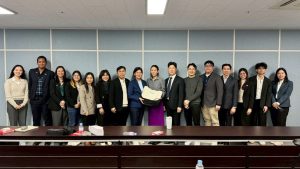
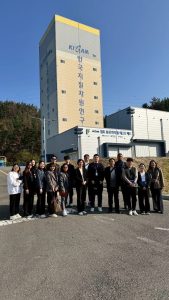
ภาควิชาวิศวกรรมเหมืองแร่และปิโตรเลียม คณะวิศวกรรมศาสตร์ มหาวิทยาลัยเชียงใหม่ ภายใต้โครงการ “ผลิตวิศวกรปิโตรเลียมและวิจัยการจัดการคาร์บอนไดออกไซด์” ได้สนับสนุนทุนให้นักศึกษาระดับปริญญาตรีในโครงการดังกล่าวเดินทางเข้าศึกษาดูงานด้านเทคโนโลยีการดักจับ ใช้ประโยชน์ และกักเก็บคาร์บอนไดออกไซด์ (Carbon Capture, Utilization and Storage: CCUS) ณ สาธารณรัฐเกาหลี ระหว่างวันที่ 11–14 พฤศจิกายน พ.ศ. 2568 ร่วมกับภาคีเครือข่ายพันธมิตร ด้านการดักจับ ใช้ประโยชน์ และกักเก็บคาร์บอนแห่งประเทศไทย หรือ Thailand CCUS Alliance (TCCA) เพื่อเสริมสร้างประสบการณ์การเรียนรู้เชิงวิชาการ ควบคู่กับการเปิดมุมมองด้านเทคโนโลยีและนโยบายพลังงานสะอาดในระดับนานาชาติ
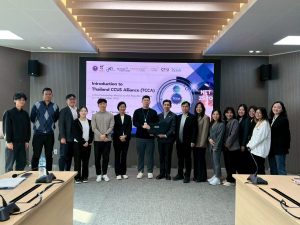
การศึกษาดูงานครั้งนี้มี รองศาสตราจารย์ ดร.สุพฤทธิ์ ตั้งพฤทธิ์กุล อาจารย์ประจำภาควิชาวิศวกรรมเหมืองแร่และปิโตรเลียม และหัวหน้าศูนย์วิจัยการดักจับและกักเก็บคาร์บอนไดออกไซด์เชียงใหม่ (Chiang Mai CCS) ร่วมเดินทางด้วยในฐานะอาจารย์ที่ปรึกษา และในฐานะผู้แทน TCCA โดยนักศึกษาที่เข้าร่วมได้รับโอกาสเรียนรู้ทั้งในเชิงเทคนิค การกำหนดนโยบาย และกระบวนการสร้างความร่วมมือระหว่างประเทศด้าน CCUS
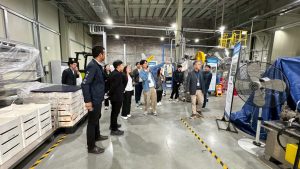
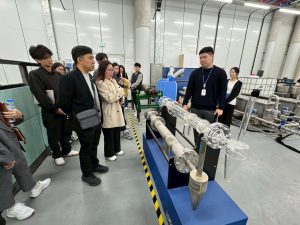
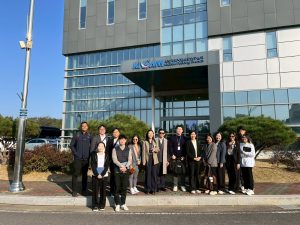
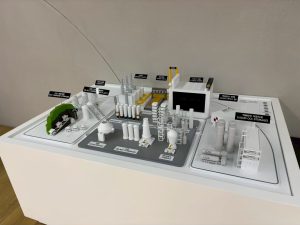
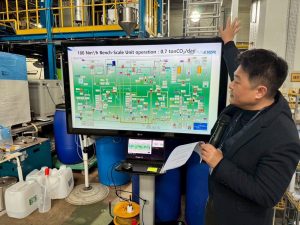
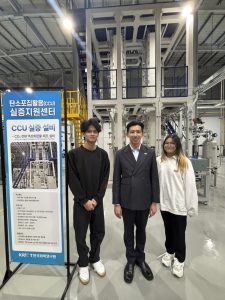
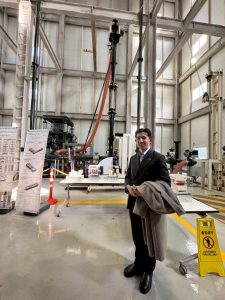
คณะได้เดินทางไปยังเมืองแทจอน (Daejeon) เพื่อเยี่ยมชม Korea Institute of Energy Research (KIER) ซึ่งเป็นสถาบันวิจัยด้านพลังงานหลักของเกาหลี และได้เรียนรู้การพัฒนาเทคโนโลยีดักจับคาร์บอนหลากหลายแนวทาง ตั้งแต่ระดับห้องปฏิบัติการจนถึงระดับโรงงานนำร่อง รวมถึงแนวคิดการผลักดันเทคโนโลยีไปสู่การใช้งานจริงในภาคอุตสาหกรรม นอกจากนี้ยังได้เยี่ยมชม Korea Research Institute of Chemical Technology (KRICT) ณ เมืองยอซู (Yeosu) ซึ่งเป็นศูนย์สาธิตเทคโนโลยี CCU ระดับนำร่องที่เชื่อมโยงการใช้ CO₂ กับกระบวนการผลิตเชื้อเพลิงและสารเคมีมูลค่าสูง
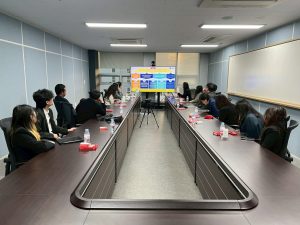
ในด้านนโยบายและการบริหารจัดการ คณะได้เข้าเยี่ยมชม Korea Carbon Capture, Utilization and Storage Association (KCCUS) ณ เมืองเซจง (Sejong City) เพื่อแลกเปลี่ยนองค์ความรู้เกี่ยวกับโครงสร้างสถาบัน กรอบกฎหมาย และบทบาทขององค์กรศูนย์กลางในการประสานความร่วมมือระหว่างภาครัฐ ภาคอุตสาหกรรม และสถาบันการศึกษา ซึ่งเป็นประเด็นสำคัญต่อการพัฒนา CCUS ของประเทศไทยในอนาคต
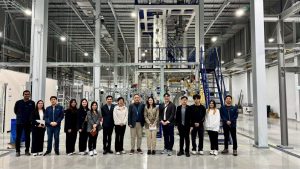
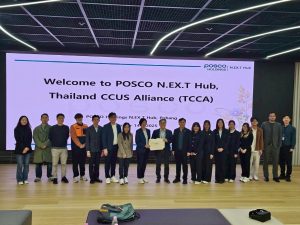
จุดหมายสุดท้ายของการศึกษาดูงานคือ เมืองโพฮัง (Pohang) โดยคณะได้เยี่ยมชม Korea Institute of Geoscience and Mineral Resources (KIGAM) และ POSCO Holdings เพื่อเรียนรู้การประยุกต์ใช้เทคโนโลยี CCUS ในภาคอุตสาหกรรมหนัก โดยเฉพาะอุตสาหกรรมเหล็ก ซึ่งแสดงให้เห็นการเชื่อมโยงอย่างเป็นรูปธรรมระหว่างการลงทุนวิจัยและพัฒนาโดยภาครัฐกับการลดการปล่อยคาร์บอนในระดับอุตสาหกรรมจริง
การศึกษาดูงานครั้งนี้เปิดโอกาสให้นักศึกษาได้สัมผัสกระบวนการทำงานด้านวิศวกรรมและการวิจัยในบริบทสากล เสริมสร้างความเข้าใจเชิงระบบเกี่ยวกับเทคโนโลยี CCUS ตั้งแต่ระดับวิทยาศาสตร์พื้นฐาน นโยบาย ไปจนถึงการประยุกต์ใช้ในภาคอุตสาหกรรม ทั้งยังสะท้อนบทบาทของภาควิชาวิศวกรรมเหมืองแร่และปิโตรเลียม มหาวิทยาลัยเชียงใหม่ ในการพัฒนากำลังคนด้านวิศวกรรมพลังงานและสิ่งแวดล้อมที่มีศักยภาพ พร้อมสนับสนุนการเปลี่ยนผ่านสู่ระบบพลังงานคาร์บอนต่ำอย่างยั่งยืนในระดับประเทศและภูมิภาค
Mining and Petroleum Engineering Students from Chiang Mai University Participate in CCUS Study Visit to the Republic of Korea
The Department of Mining and Petroleum Engineering, Faculty of Engineering, Chiang Mai University, under the project “Petroleum Engineering Education and Carbon Dioxide Management Research”, provided financial support for undergraduate students in the program to participate in an international study visit on Carbon Capture, Utilization and Storage (CCUS) in the Republic of Korea during 11–14 November 2025. The visit was conducted in collaboration with the Thailand CCUS Alliance (TCCA), with the aim of strengthening academic learning while broadening students’ perspectives on clean energy technologies and related policy frameworks at the international level.
The study visit was led by Associate Professor Dr. Suparit Tangparitkul, Lecturer in the Department of Mining and Petroleum Engineering and Director of the Chiang Mai Research Center for Carbon Capture and Storage (Chiang Mai CCS), who joined the delegation as the academic advisor and as a representative of TCCA. Participating students gained hands-on exposure to CCUS from multiple dimensions, including technical aspects, policy development, and mechanisms for international collaboration in CCUS deployment.
The delegation first visited Daejeon, where they toured the Korea Institute of Energy Research (KIER), the country’s leading government-funded energy research institute. Students learned about a wide range of carbon capture technologies, spanning laboratory-scale research to pilot-scale demonstrations, as well as Korea’s systematic approach to advancing these technologies toward industrial application. The delegation also visited the Korea Research Institute of Chemical Technology (KRICT) in Yeosu, a pilot-scale CCU demonstration center that integrates CO₂ utilization with the production of fuels and high-value chemicals.
From a policy and institutional perspective, the delegation visited the Korea Carbon Capture, Utilization and Storage Association (KCCUS) in Sejong City to exchange knowledge on institutional frameworks, regulatory structures, and the role of a central coordinating organization in linking government agencies, industry, and academic institutions—an issue of particular relevance to the future development of CCUS in Thailand.
The final destination of the study visit was Pohang, where the delegation toured the Korea Institute of Geoscience and Mineral Resources (KIGAM) and POSCO Holdings. These visits highlighted the application of CCUS technologies in heavy industries, particularly the steel sector, and clearly demonstrated how public investment in research and development can be translated into tangible carbon reduction outcomes at the industrial scale.
Overall, the study visit provided students with valuable exposure to engineering practice and research within an international context, strengthening their systems-level understanding of CCUS—from fundamental science and policy considerations to industrial implementation. The activity also reflects the role of the Department of Mining and Petroleum Engineering, Chiang Mai University, in developing high-capacity human resources in energy and environmental engineering, while supporting the transition toward a low-carbon energy system at both national and regional levels.